


President Petro Announces Colombia’s Withdrawal from the Andean Community
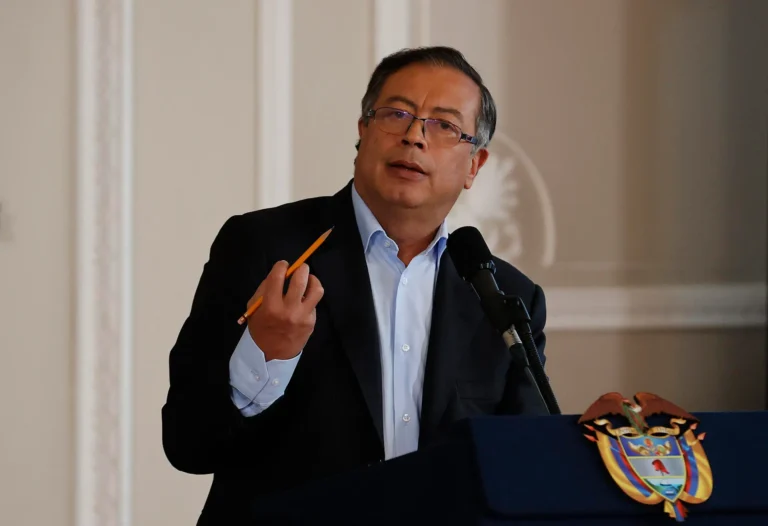
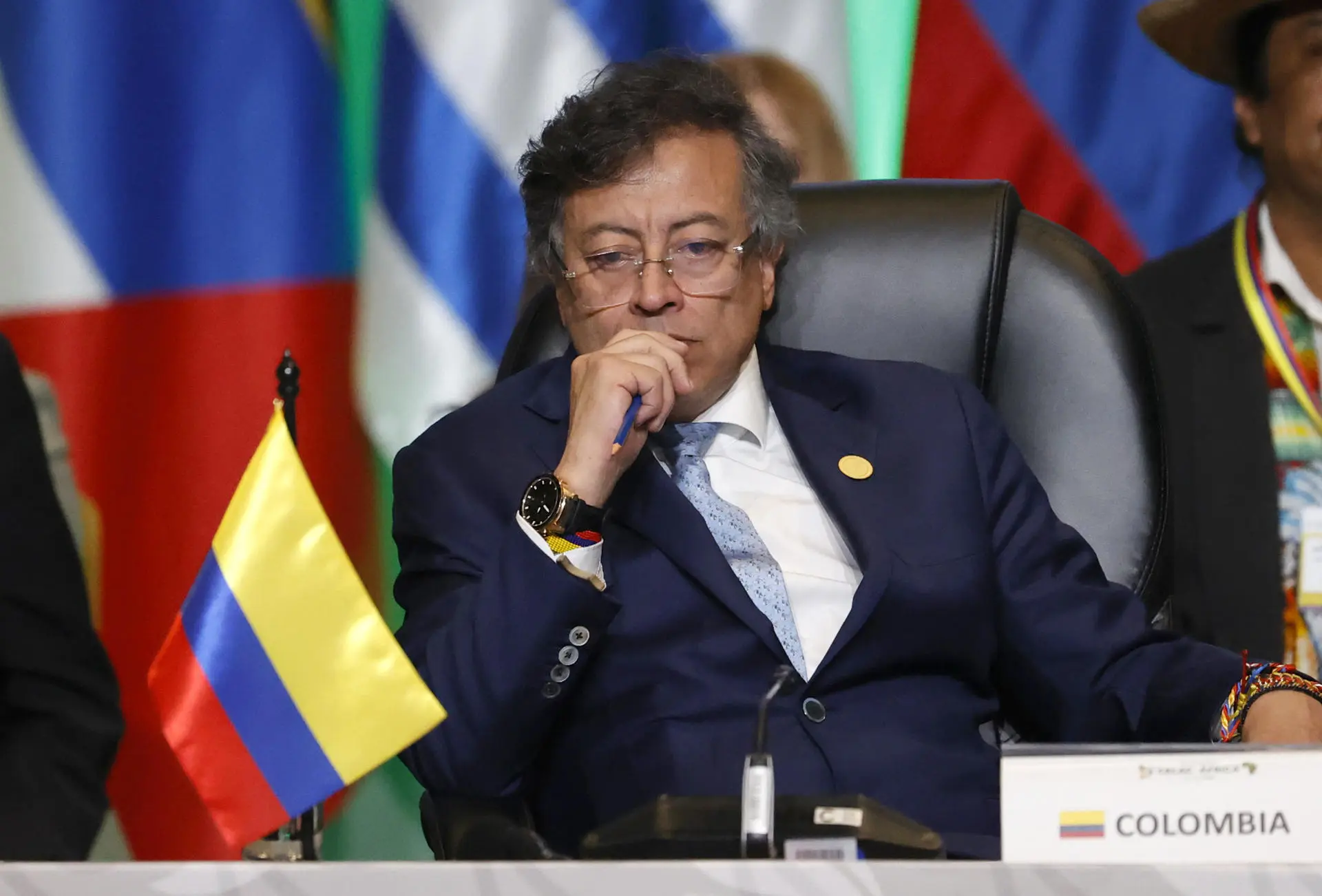
Photo: EFE.
April 10, 2026 Hour: 10:40 pm
🔗 Comparte este artículo
Colombia’s President Gustavo Petro announced his country’s withdrawal from the Andean Community (CAN, in Spanish) after calling a “monstrosity” the imposition of 100% tariffs by Ecuador on Colombian products.
Colombia has initiated the formal process to join Mercosur as a full member following an intensified diplomatic crisis with Ecuador, triggered by Quito’s 100% tariff hike on Colombian goods and a subsequent recall of its ambassador today, April 10.
Bogotá denounced Ecuadorian President Daniel Noboa’s actions as “anti-progressive ideology” that undermines Latin American unity.
Colombian Foreign Minister Rosa Villavicencio publicly endorsed the decision for MERCOSUR accession and confirmed that the application process has already begun. Villavicencio sharply criticized the stance of President Daniel Noboa’s Government, labeling it an “anti-progressive ideology” that actively undermines the essential Latin American unity required to confront common regional challenges.
This move signifies a substantial geopolitical reorientation for Colombia, signaling its intent to realign with the southern bloc amidst growing tensions with a key Andean partner.
The diplomatic escalation included the immediate recall of Colombia’s Ambassador to Quito, María Antonia Vélez, who is expected to return to Bogotá within hours. Additionally, all technical tables established to resolve economic differences between the two nations have been officially suspended, effectively freezing bilateral economic cooperation.
The Colombian President, Gustavo Petro, further asserted that Noboa’s administration has neglected surveillance at crucial ports, thereby facilitating the trafficking of cocaine.
This precarious situation has dramatically shifted the focus of binational cooperation from collaborative efforts to a contentious arena of political confrontation, exacerbating the existing strains between the two Andean nations. The trade dispute, therefore, appears to be deeply intertwined with broader domestic and security challenges faced by Ecuador, providing a critical context for Noboa’s otherwise perplexing economic decisions.
Text reads: “This is simply a monstrosity, but it means the end of the Andean Pact for Colombia. We do nothing there. The FM must initiate the transition in Mercosur to become full partners and move us towards the Caribbean and Central America with more force”.
Experts warn that Colombia’s potential withdrawal from the Andean Pact (CAN, in Spanish) would directly impact border populations in both countries, though they emphasize that Ecuador stands to suffer the most severe consequences.
The neighboring country maintains a high dependency on Colombian commercial exchange in several strategic sectors, including the supply of electrical energy, the importation of hydrocarbons, and essential manufactured products.
The 100% tariff increase imposed by Daniel Noboa’s government formalizes a commercial war that profoundly fractures regional integration. Quito justifies the measure by alleging Bogotá’s supposed inaction against organized crime, though the diplomatic rupture significantly worsened following Gustavo Petro’s criticisms of the assault on the Mexican Embassy in Ecuador and the subsequent handling of former Vice-President Jorge Glas’s situation.
This tariff offensive jeopardizes an estimated $2.8 billion in bilateral trade and further aggravates reciprocal sanctions within the crucial energy sector. International analysts view Noboa’s policy as a manifestation of the Monroe Doctrine’s application in the region, aimed at consolidating particular geopolitical interests.
The militarization of the border and the strategic use of “anti-terrorist narratives” are highlighted as tactics designed to divert public attention from Ecuador’s severe internal crisis and to justify actions that openly violate international law and Colombian sovereignty.
This profound commercial and diplomatic rupture directly threatens the economic stability of the region, leaving Ecuador in a particularly vulnerable position due to the loss of its primary energy provider and a significant source of essential goods.
Author: Laura V. Mor
Source: Agencies